
Feeding the Beast:
Why Your GIS Is Starving for Truth
In the world of modern infrastructure, GIS (Geographic Information Systems) is the "beast" that powers every major decision. From predicting main breaks to optimizing snowplow routes, your GIS is the brain of your operation. But a brain is only as good as the information it receives.
Right now, most GIS platforms are "starving" for accurate data. Despite the leap into 2026, many field crews are still feeding the system with manual entries, paper notes, and "best-guess" coordinates. This creates a dangerous cycle of digital hunger where the map looks full, but the data is hollow.
The Hidden Cost of "Dumb Data"
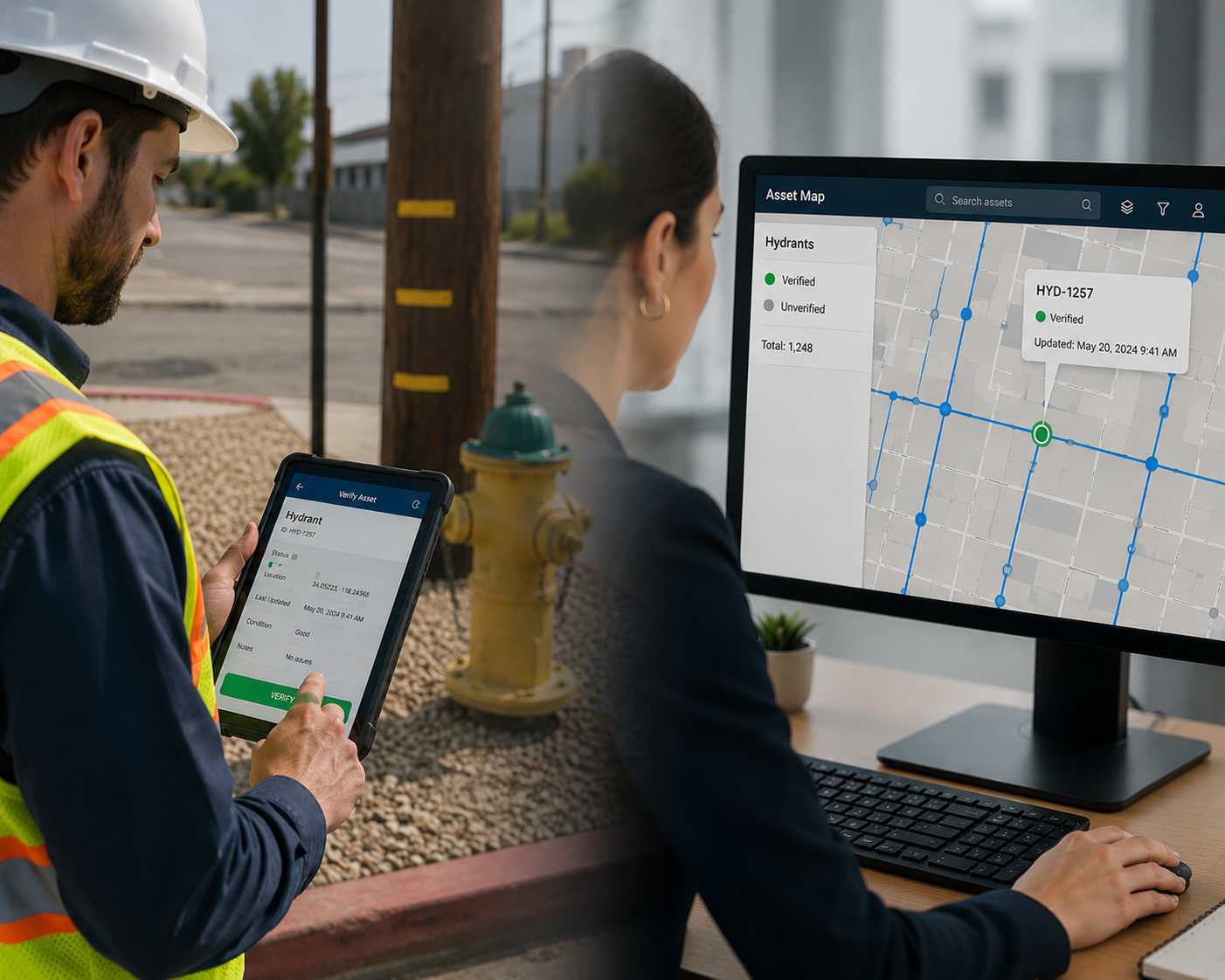
Manual data entry isn't just slow; it’s a fiscal liability. Recent industry benchmarks show that even a 1% error rate in manual data entry can cascade into massive operational losses.
The Productivity Drain: GIS analysts spend up to 60% of their time simply cleaning and reconciling bad data instead of performing high-value spatial analysis.
The Financial Hit: Research from Gartner and IBM indicates that poor data quality costs organizations an average of $12.9 million annually. For a municipality, this manifests as "dry holes," utility strikes, and failed audit compliance.
The Confidence Gap: When a field worker digs based on a "ghost" point in ArcGIS, trust in the system erodes. As the old adage goes: Garbage in, garbage out.
From Guesswork to Instant Verification
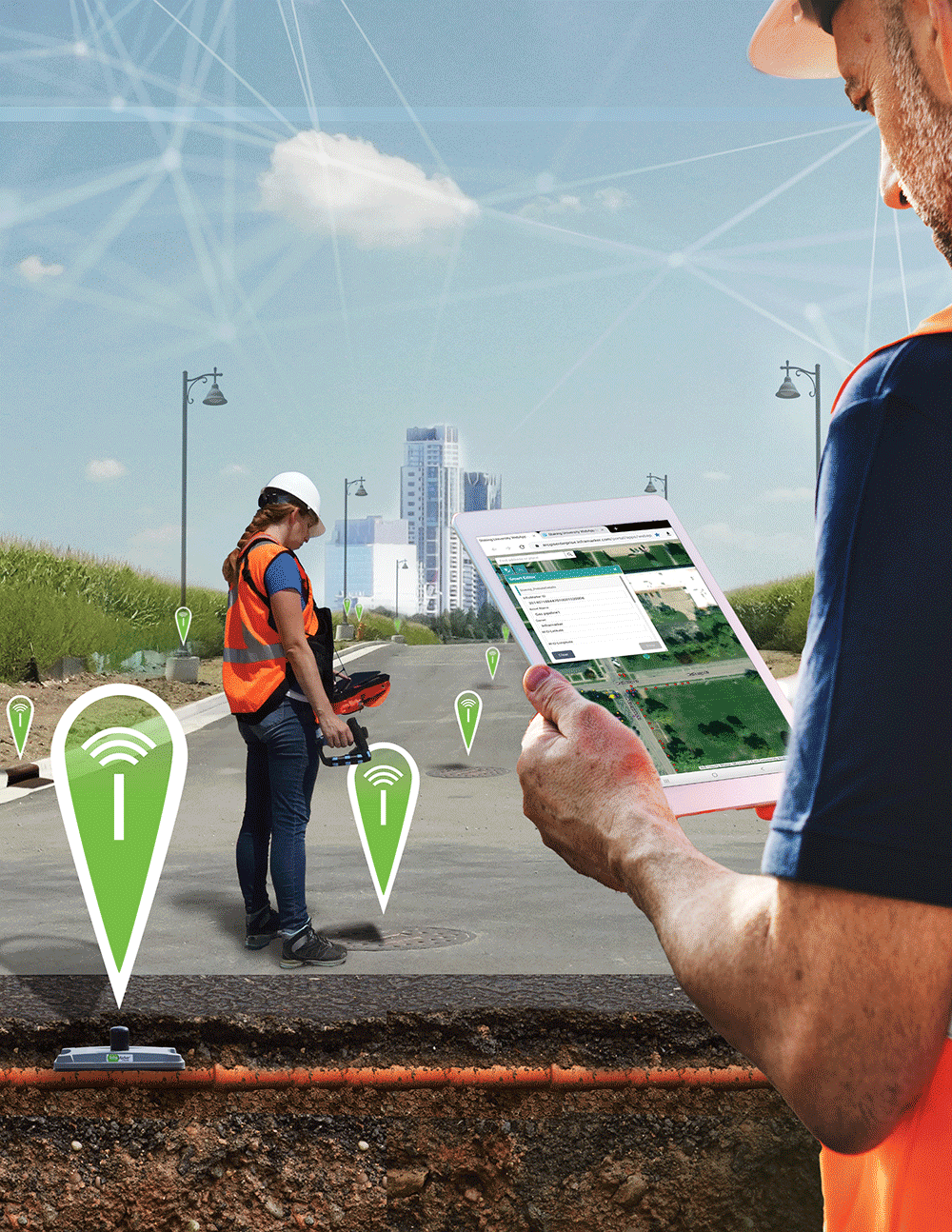
To truly "feed the beast," you need to move from manual input to automated verification. This is where InfraMarker® RFID-enabled markers transform the workflow. By embedding intelligence into the physical asset, you create a direct, unalterable link to your Esri ArcGIS environment.
Instant Identification: A field worker scans a buried RFID tag with a handheld reader. There’s no typing, no searching for a serial number, and—most importantly—no guessing.
Verified Field-to-Office Sync: The scan triggers an instant update. Using the InfraMarker RFID App, data is pushed directly to ArcGIS Field Maps or Survey123.
The "Digital Handshake": The office worker sees the asset update in real-time. Because the scan requires physical proximity to the RFID tag, the location is verified by default.
"A GIS is only as powerful as the integrity of its data. In 2026, the goal is to stop treating the map as a static reference and start treating it as a live, verified reflection of the physical world." — Geospatial Strategy POV.
The Future is Verified
At Berntsen and InfraMarker, we specialize in bridging the gap between the physical ground and the digital cloud. With 50+ years of experience in marking the world’s infrastructure, we know that precision is the only currency that matters.
Stop feeding your GIS "junk food" data. Give it the verified, real-time intelligence it needs to power your city’s future.
[See our ArcGIS integration in action here]
Ready to eliminate manual errors for good? Connect with our experts today to learn how RFID-enabled markers can streamline your field operations and ensure your GIS is always fed with the truth.
Sources:
Esri ArcUser: Applying the Geographic Approach (Fall 2025/26)
Gartner/Datafortune: The 5 Hidden Costs of Poor Data Quality in 2026
IBM Think: The Compounding Threat: The True Cost of Poor Data Quality
Managed Outsource Solutions: Top Nine Manual Data Entry Challenges in 2025/2026
Cercana Systems:Reducing the Costs of Fragmented Spatial Data in 2026
Hashtags: #Esri #ArcGIS #GIS #Geospatial #DataIntegrity #PublicWorks #SmartCities #DigitalTwin