
From Land Surveys to Digital Twins:
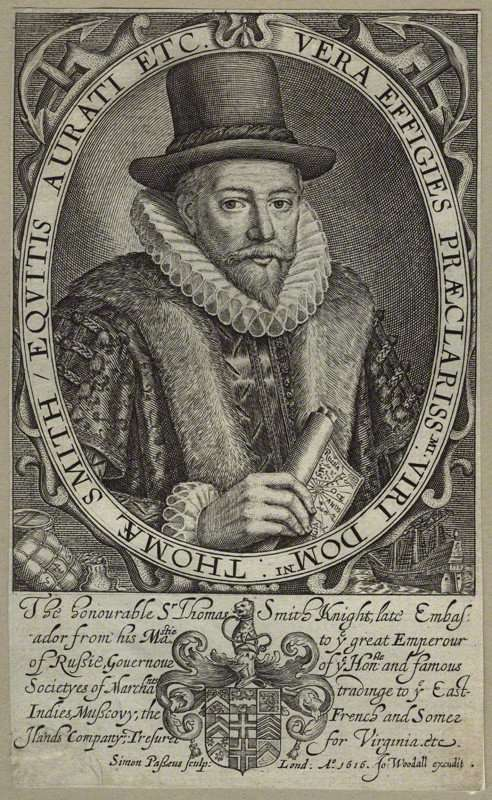
Sir Thomas Smythe, treasurer of the Virginia Company, created to develop land in the American colony.
How surveying has transformed the nation
Back in colonial times, land surveying was an essential skill. Under British rule, the land claimed by the Crown belonged to the King. The only way it passed into the hands of other people was through grants or outright sales from Crown to businesses or individuals.
Fortunately for the colonists, the King needed money to develop the colonies and finance wars. Most of this money came from wealthy English nobles and merchants.
The wealthy class formed companies with the intent of generating more wealth from the colonies through land speculation and selling its natural resources. They sold stock to other wealthy people and the middle class. The Crown then granted the company a charter for lands in America. Then the poor and some middle-class folks were sent over to do the work and generate ROI.
Unfortunately, many land claims overlapped, which led to skirmishes, wars and then finally agreements about who owned what. The need for accurate boundaries became absolutely essential for the colonial development, hence the popularity of land surveying in colonial America.

A plate from William Leybourn's "The Compleat Surveyor" (5th edition, 1722), detail, showing the use of the plane table. A pair of cherubs pays out a measuring chain.
It was so important that many of our founding fathers (and presidents) were surveyors:
George Washington, Thomas Jefferson, John Adams, Roger Sherman, George Mason, Abraham Clark, John Morton, Stephen Hopkins, Robert Erskine, Richard Caswell, Christopher Gist and Andrew Ellicott were key to the formation of the United States.
Surveying remained a key skill after the Revolutionary War as immigrants moved ever westward. This time, it was the US Government that claimed ownership of the land. Abraham Lincoln, Daniel Boone, and Mason and Dixon were all surveyors.
As the country grew and thrived, so did its need for accurate boundaries, well-built roads, safe railways and solid buildings. Throughout American history, surveying has remained essential to economic development.
Today, surveying continues to underpin the development of physical capital. From property boundaries to mines and infrastructure assets, surveying delivers key data that ensures a solid foundation for every project.
Technology delivers the data
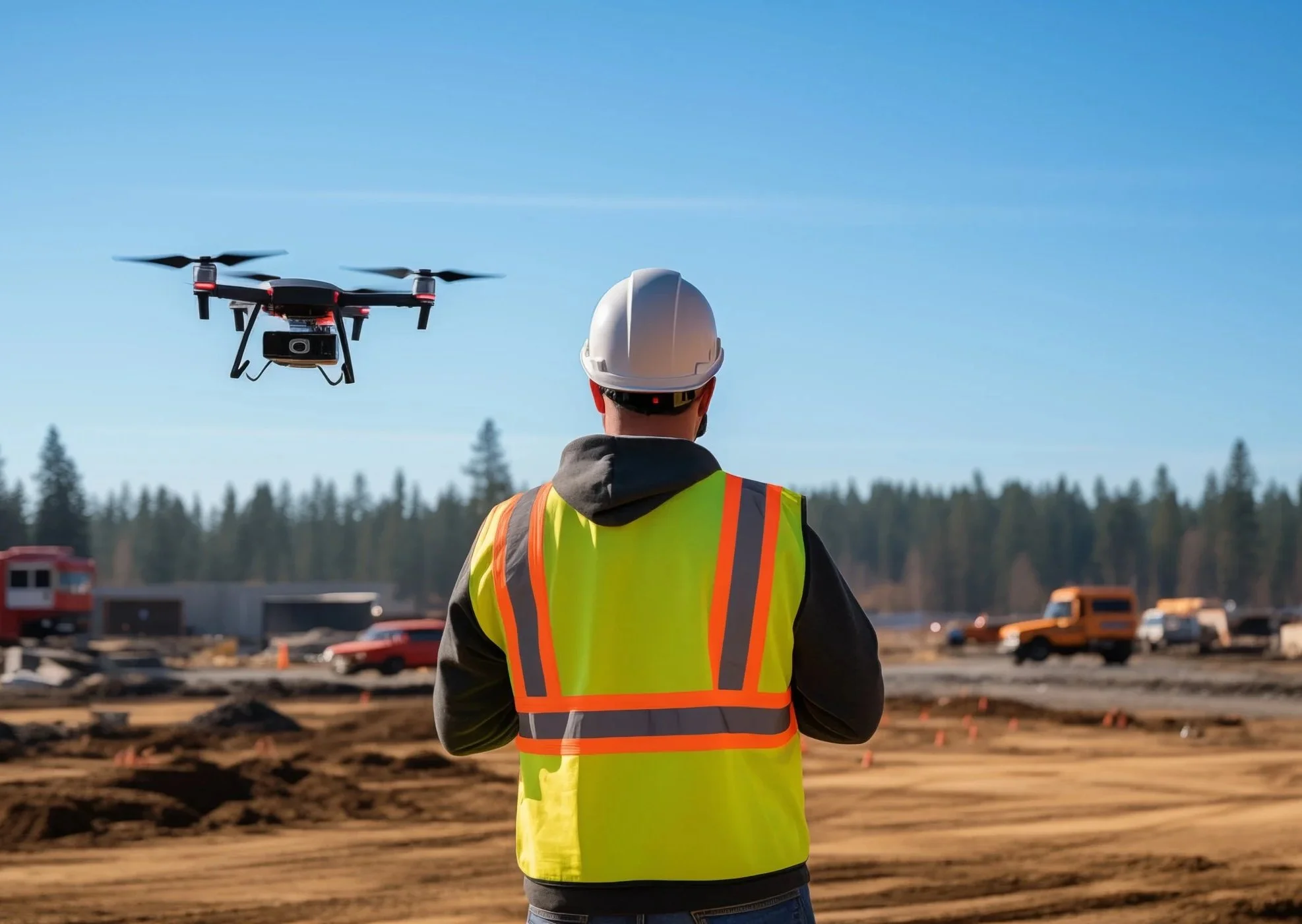
Surveyor operating a drone.
The tools of surveying have changed with the times. Surveying can now deliver incredibly precise location data on boundaries, buildings, infrastructure – literally any kind of asset that exists. GPS, lasers, ground penetrating radar, drones, RFID and other technologies enable surveyors to deliver not only accurate data, but data that can create digital twins of the project before the site is excavated. This information means that projects can be analyzed before construction begins so that costly errors are avoided and the project can be completed on time and within budget.
From the earliest land surveys to today’s digital twins, governments and businesses have always depended on accurate, trusted location data. Today, our presidents no longer begin their careers as surveyors, but surveying remains a foundational feature of any type of physical capital development. Our need for accountability, measurement, and accuracy remains constant.
Thank you, surveyors, for your commitment to precision, so that everything from property boundaries to finished floor levels are spot-on and solid.